
FrameWorks UK has been working with Impact on Urban Health to change the story on children's health and food. Shifting the spotlight from individual choice to how what surrounds us shapes our health.
Together with our partners, we are widening the lens – and the conversation – to make a stronger case for the solutions which will help every child thrive.
A new story driving real change
While there is still work to be done to improve children’s health and food, change is happening, and more is possible.
Over 25 English local authorities, have now implemented policies restricting junk food advertising to date, with many more in consultation. Junk food advertising restrictions for TV and online came into effect in January 2026. Buy one get one free deals on unhealthy food were also banned in October 2025. And free school meals have been extended to many more children in the UK.
Image: Impact on Urban Health

Why we needed a new story
Where we live and what we earn shapes the options and opportunities available for us to be healthy. We need solutions that take this into account. But there’s a disconnect between this evidence and people’s focus on individual choice when it comes to issues like children’s health and food. For people to support more systemic solutions, we needed to shift people’s understanding of the problem.
When we began our partnership with Impact on Urban Health, we found that too often communications about children’s health and food were triggering and reinforcing unhelpful ways of thinking. This included the idea that ill health is the fault of individuals, that it’s down to individual choices and a lack of willpower, and that parents are to blame – failing in their duty to keep their children healthy.
Image: Impact on Urban Health
What we found
Talking about ‘obesity’ in particular triggers the idea that individuals are to blame, that poor health is down to individual choices and a lack of willpower.
In the case of childhood obesity, we see people thinking that parents are to blame – failing in their duty to keep their children healthy.
People tend to see childhood obesity as an unfortunate and inevitable part of modern life, and therefore insolvable.
There’s a belief that children are naturally drawn to sugary, processed food – that’s just the way it is. People don't tend to think about context like the marketing practices of big food companies.
People see childhood obesity as a serious crisis, but the problem feels too big to solve.
When people do reach for solutions, they tend to reason that we just need to educate people to make better choices. That it’s ultimately down to individuals, not the systems and context that surround us.
What we did
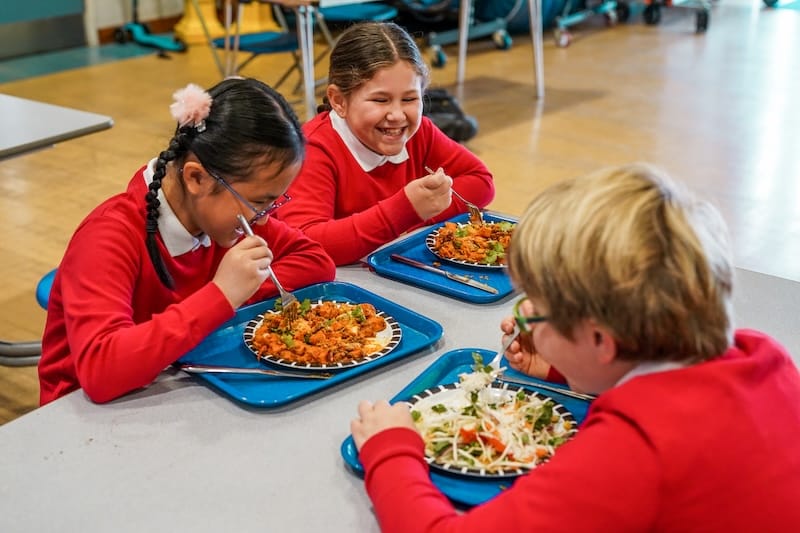
We created practical resources to help communicators tell a new story about children’s health and food. This included a toolkit, a quick guide, and an image bank to help shine a light on the surroundings that shape children’s health, and move away from images that fuel stigma and blame.
We carried out workshops and webinars to coach people in how to apply our framing recommendations to their work, how to flex the frames for issues like food poverty, and how to frame well in situations like media interviews.
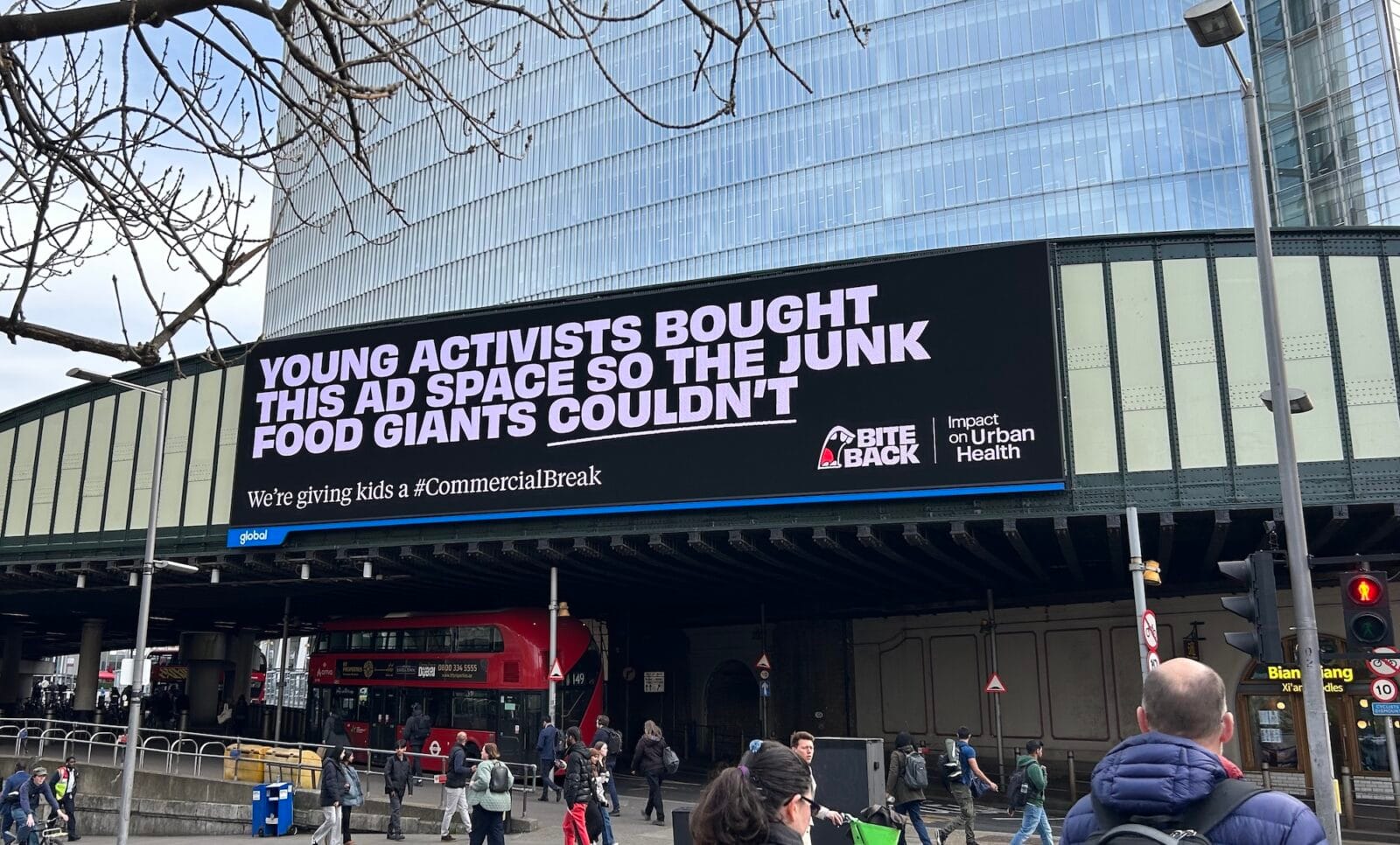
Our recommendations were taken on board from the very foundations of the youth activist movement BiteBack – shaping their strategy and communications. As illustrated by the impactful voices of each BiteBack activist, and campaigns such as #FuelUsDontFoolUs and #CommercialBreak.
We also provided tailored guidance and support to various partners, to help them frame and fine-tune their communications.
FrameWorks have been such a great resource for Bite Back across our movement's journey, from when we launched just over 5 years ago, to today. FrameWorks have been an important partner in our success throughout, as we've strived to empower our young campaigners with the communications tools to change hearts, minds and mindsets in the fight for a fairer food system.
The impact
1. A chorus of voices
We’ve seen a range of organisations and individuals adopt a new story about children’s health and food. For example, by using explanation and tested metaphors to highlight issues in our food system, like the flood of cheap junk food that young people are up against each day, and industry marketing practices that put unhealthy options centre stage.
2. Redefining the challenges
We’ve seen important shifts informed by our framing research – with campaigners, advocates and experts talking about improving children’s health and food rather than tackling childhood obesity.
Following further research, we have also seen the adoption of ‘food-related ill health’ as a new way to define the problem we are up against while keeping the focus on our food system, how it can be improved, and addressing inequities.
And we are seeing a greater emphasis on how we can fix our food system, not just the scale of the problem. We’re seeing more communications focus on the solutions that can improve children’s health, and the public will to see these changes.
The deep expertise, strategic guidance, and flexible, collaborative approach of the FrameWorks UK team have been invaluable throughout our partnership – and has been a key factor in the success of this work, with a clear shift in how the sector speaks about this issue and promising changes in public opinion and policy priorities.
3. Changes in policy and practice
All of this is helping to make a stronger case for changes that will improve children’s health. And we are seeing the results of the tireless campaigning efforts of partners who have used our framing recommendations.
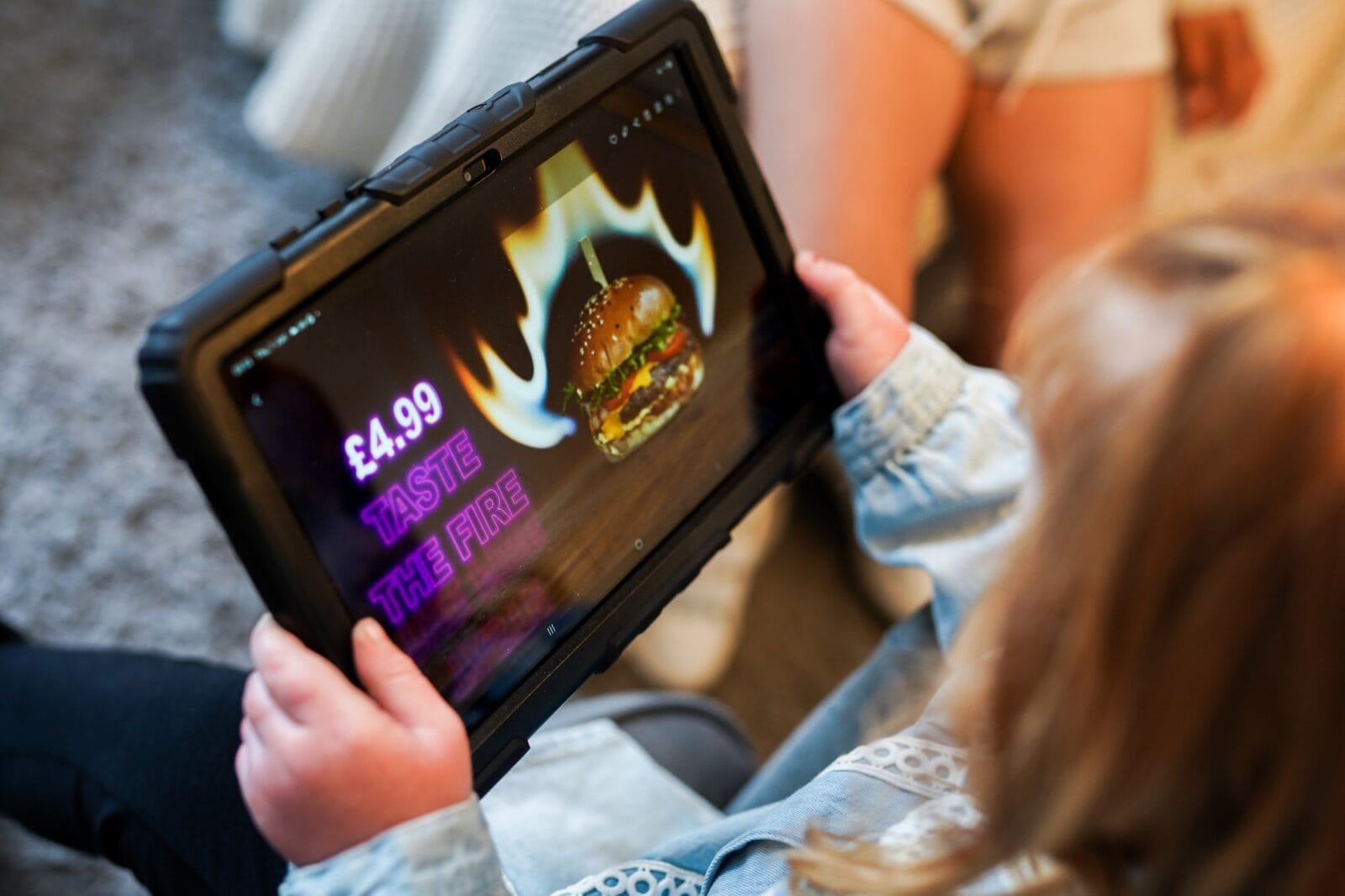
Policies to shift junk food out of the spotlight and put healthy food centre stage have come into force at both a local and national level. Change is happening on our screens, in our neighbourhoods, in schools and shops.
We’ll continue to support partners to make the case for stronger regulations that put children’s health first. The story is changing, but it’s not over.


